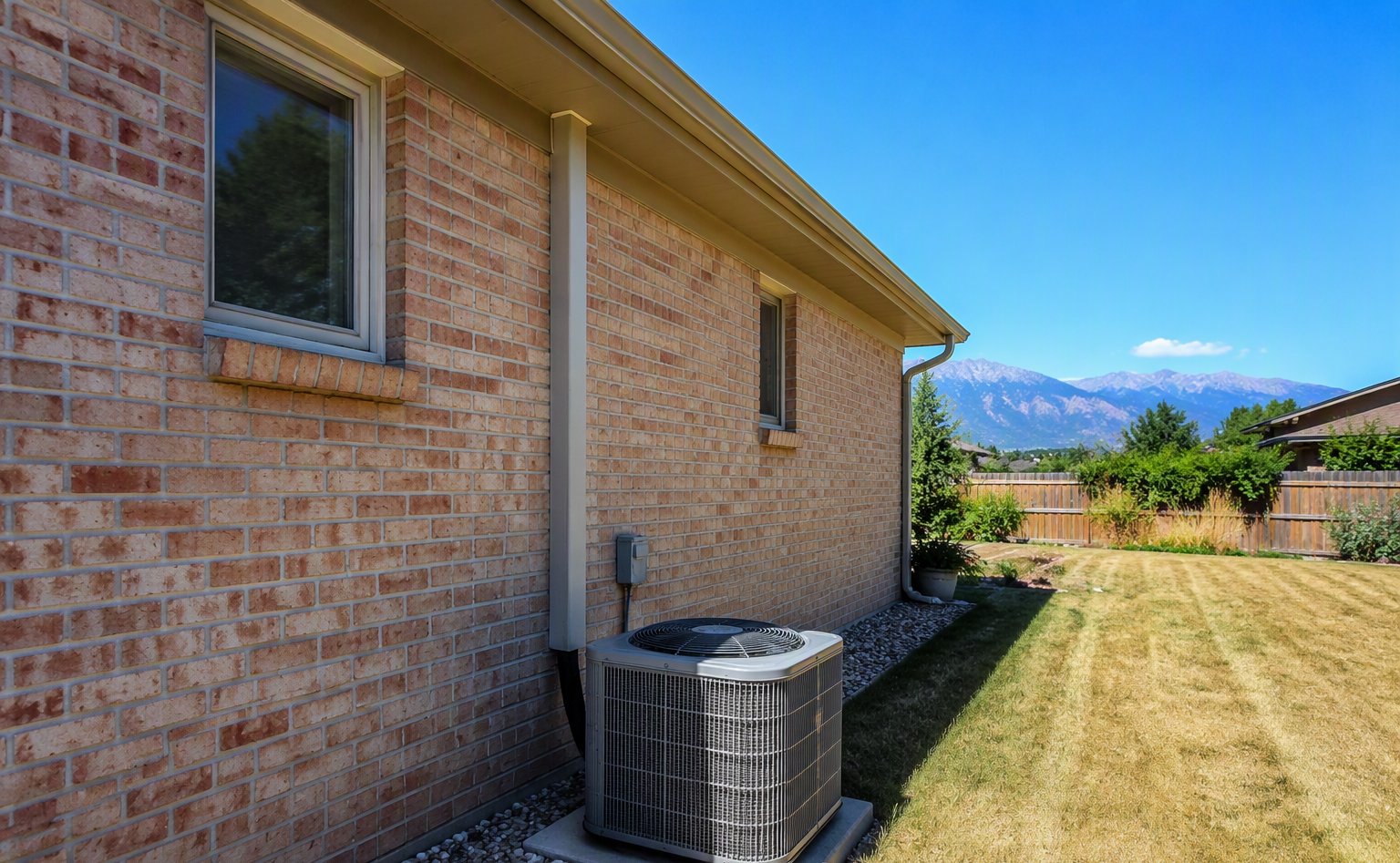

Aurora’s newer neighborhoods — the developments that filled in the eastern plains over the last two decades — share a quiet trait: the ductwork was installed fast, to a plan, before drywall hid it forever. The equipment might be fine. The delivery system often isn’t.
Where the air goes
Every joint, seam, and flex-duct connection is a potential leak. In many homes, a meaningful share of the air you paid to heat or cool ends up in the attic, the crawlspace, or inside wall cavities. The system runs longer to make up the difference, the far rooms starve, and the utility bill quietly absorbs all of it.
The symptoms homeowners notice
- Rooms that never match the thermostat — usually the ones farthest from the furnace
- A system that runs constantly but never quite arrives
- Dust that returns days after cleaning (leaky returns pull attic and crawlspace air)
- Energy bills that don’t match the home’s age or efficiency
What sealing actually involves
A proper job starts with measuring — a duct leakage test quantifies how much air is escaping before anyone touches anything. Then accessible joints get sealed with mastic (not hardware-store tape, which dries and fails), connections get refastened, and the system gets re-measured so you can see the difference in numbers, not adjectives.
When sealing isn’t the answer
If a duct run is crushed, disconnected, or was undersized from day one, sealing won’t fix it — that takes repair or rework. And if the real problem is an addition that outran the original system, a ductless mini-split for that wing is often the smarter spend. The test tells you which house you have.
The payoff
Tighter ducts mean the equipment you already own finally delivers what you’re paying for: more even rooms, shorter run times, lower bills, and less wear on the furnace and AC. It’s the least glamorous upgrade in HVAC and routinely the strongest value in a newer home.
House telling you something? Una llamada.
Describe the symptom — get a straight answer and a tech on the way, 24/7.