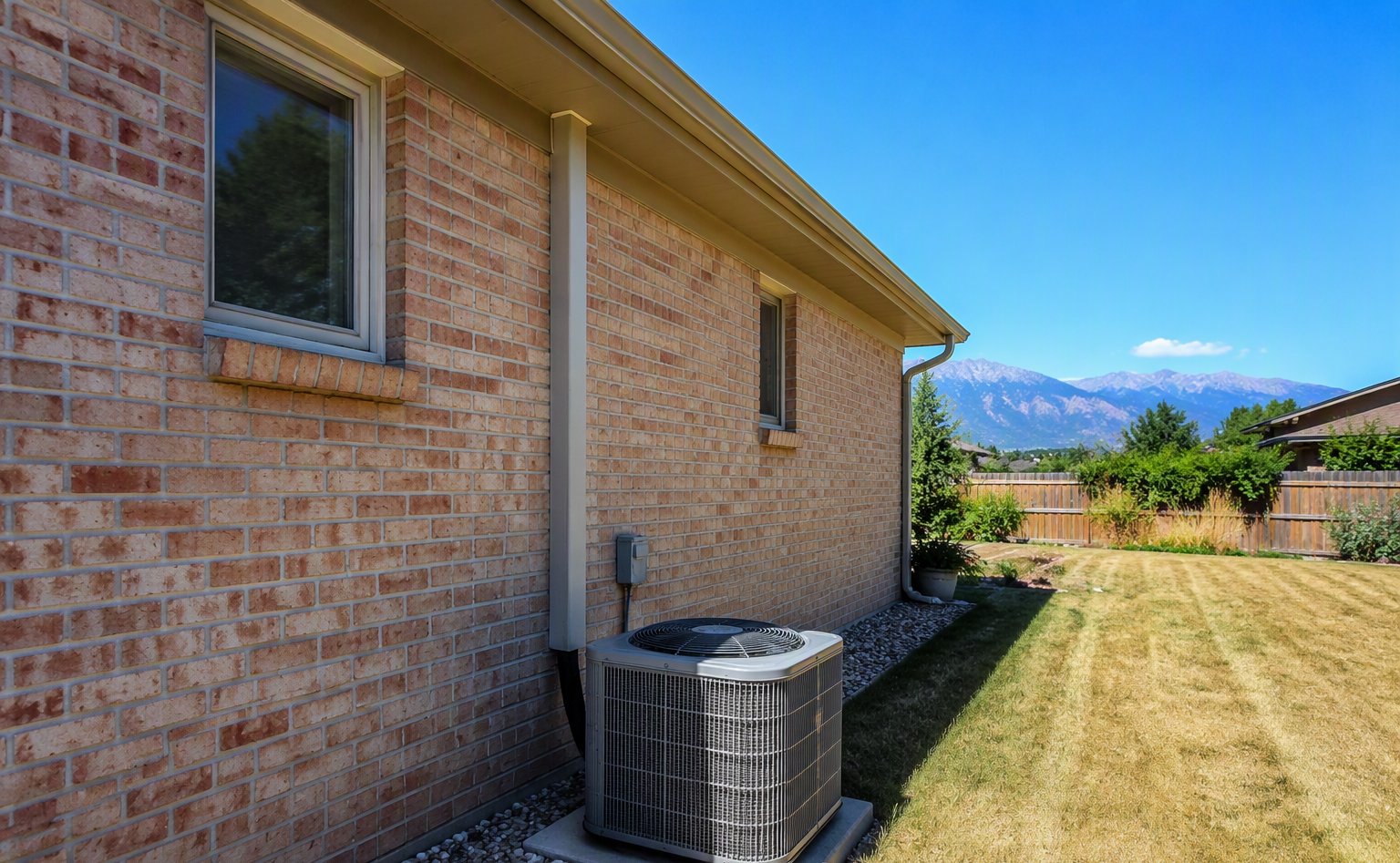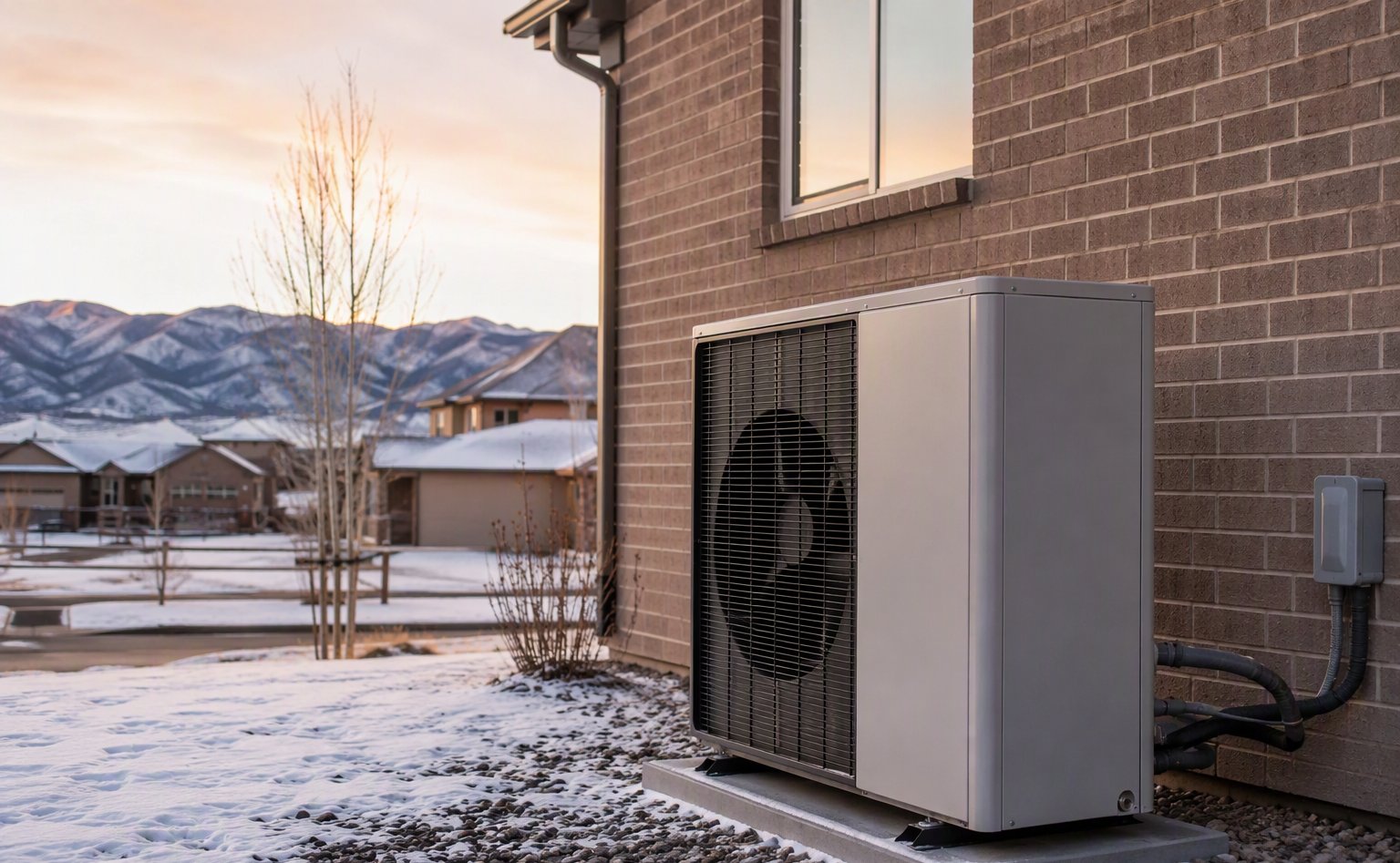
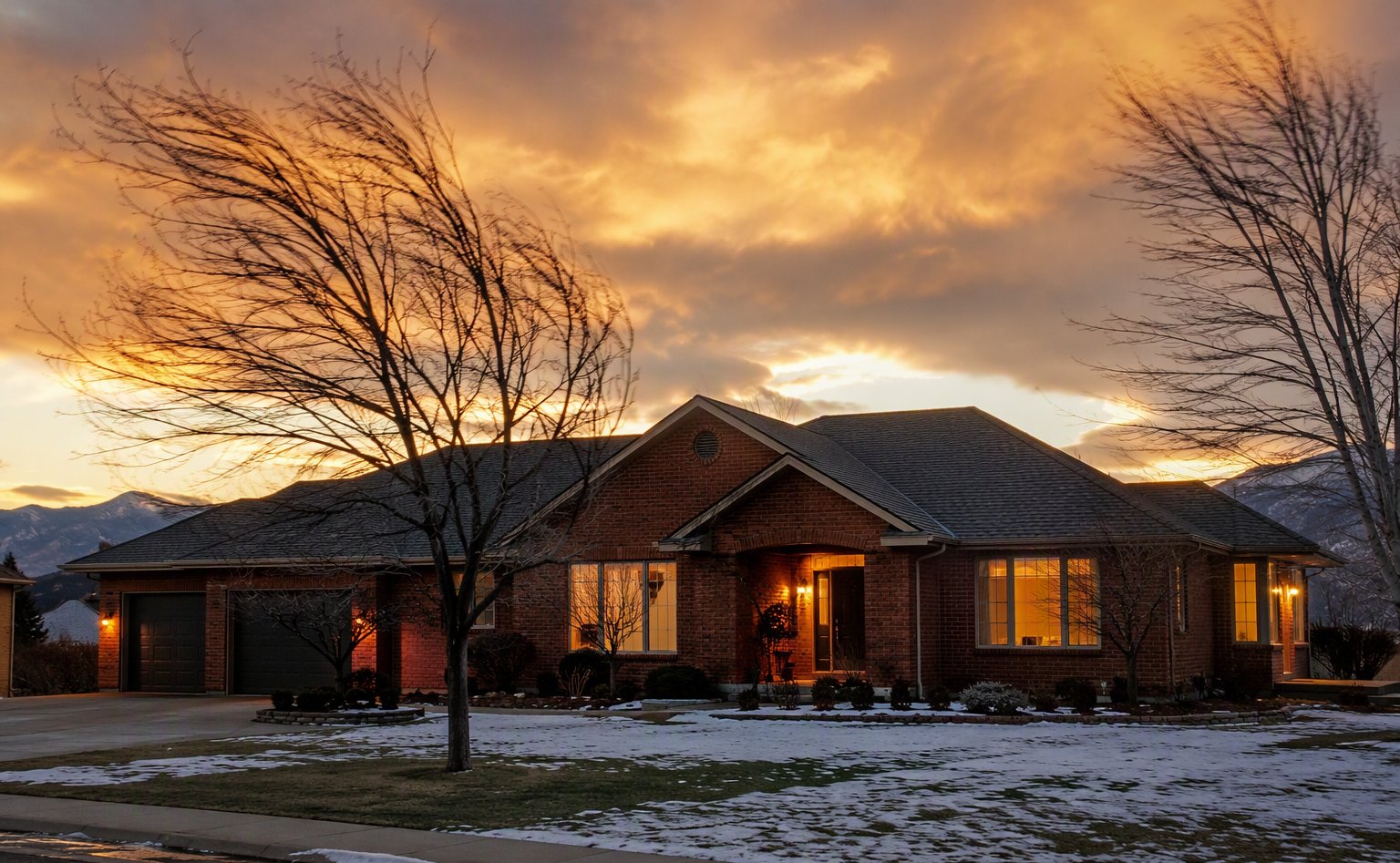
If you’ve lived through a Front Range winter, you know the day: a warm wind pours off the mountains, the snow starts vanishing in front of you, and by 2 p.m. it’s 55 degrees in January. By midnight it’s back in the teens. Locals love it. Your furnace endures it.
What the swing actually does
Every big temperature swing forces your heating system through rapid demand changes. The house loses heat slowly in the warm afternoon, then bleeds it fast when the temperature collapses after sunset. A furnace that was loafing at lunchtime is suddenly running long cycles into the coldest hours of the night.
The stress lands in specific places:
- Ignitors and flame sensors — more cycling means more starts, and starts are what wear these parts.
- The heat exchanger — metal expands when hot and contracts when cold. Extreme swings accelerate that fatigue over years.
- The blower — longer run times pile up hours quickly during swing weeks.
Why Aurora feels it more
Out on the plains, there’s nothing between your house and the wind. Exposure means faster heat loss when the temperature drops, so the swing hits the thermostat harder than it does in a sheltered foothill neighborhood. Homes along the eastern half of the metro feel this most.
The maintenance angle
Swing season is exactly when marginal parts fail. A flame sensor that’s been coasting all fall picks the first 40-degree Tuesday to quit, and a capacitor that measured weak in October becomes a dead blower in January. A fall tune-up catches those parts while they’re still a cheap, scheduled fix — that’s the entire argument for it.
When a swing exposes a bigger problem
If your furnace can hold temperature on calm days but falls behind every time a chinook collapses, that’s useful information. It usually points to one of three things: the furnace is undersized for the house, the ducts are leaking conditioned air into the attic or crawlspace, or the equipment is simply tired. All three are diagnosable in one visit, and all three get more expensive the longer they ride.
The swings aren’t going anywhere — they’re part of living here. The play is making sure your system is the steady thing in the equation.
House telling you something? Una llamada.
Describe the symptom — get a straight answer and a tech on the way, 24/7.