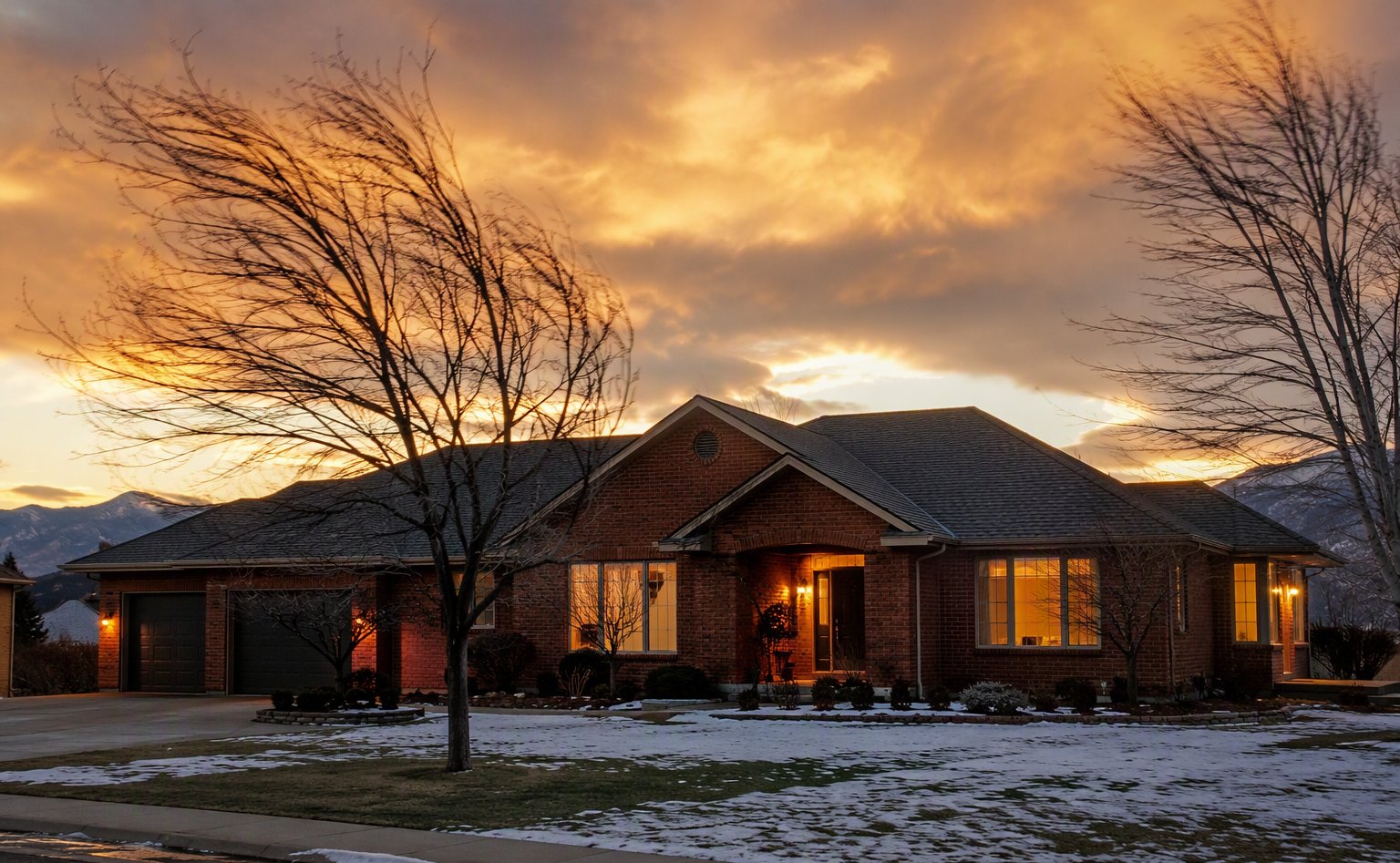
Ask around and you’ll hear that altitude is a furnace thing — something about gas and oxygen. True, but incomplete. At roughly 5,400 feet, the air is about 15% thinner than at sea level, and that touches your air conditioner too.
What thin air does to cooling
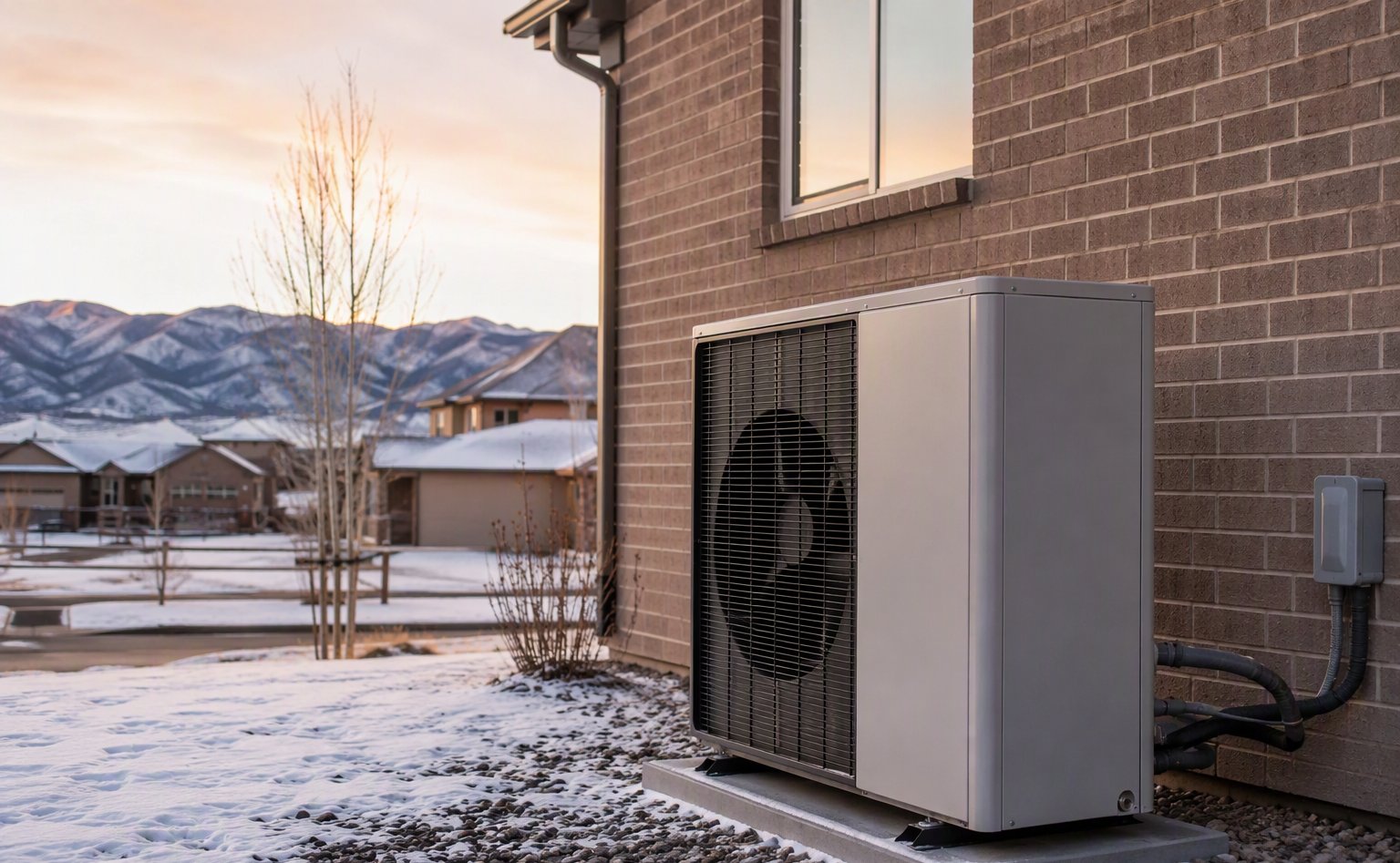
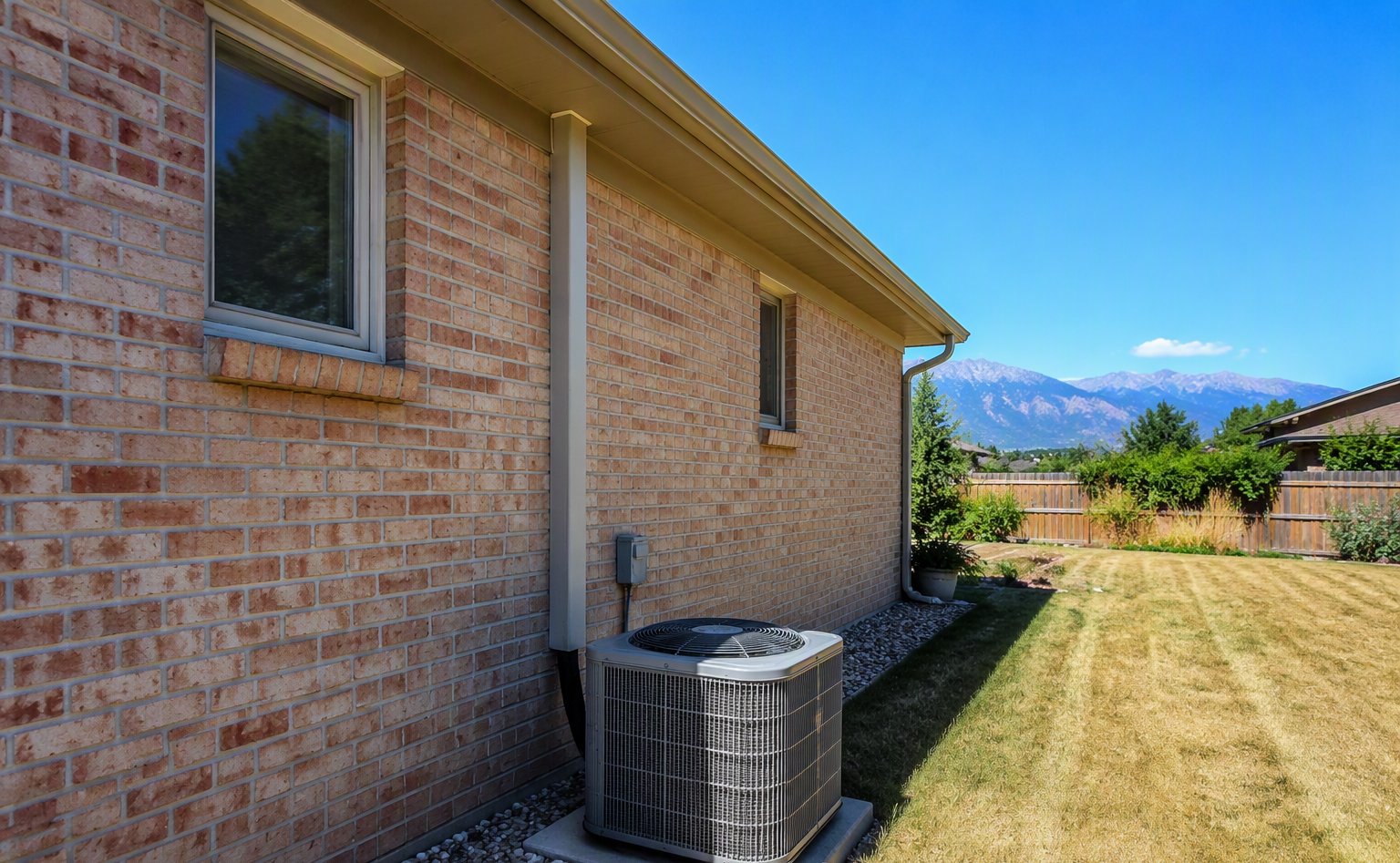
Your condenser’s job is to dump indoor heat into outdoor air. Thinner air carries heat away less efficiently, so a unit rated for a certain capacity at sea level delivers less of it up here. At the same time, thinner indoor air changes how much heat your blower moves across the coil. The result: sea-level sizing charts quietly overshoot or undershoot what your house actually needs.
The classic failure: the rule-of-thumb install
“One ton per 500 square feet” is the shortcut that built a lot of Aurora’s existing systems. It ignores elevation, insulation, window load, duct condition, and which direction the house faces. Two identical floor plans on the same street can need different capacities depending on shade and orientation alone.
Oversizing is its own problem. An AC that’s too big cools the air fast, satisfies the thermostat early, and shuts off — before it has run long enough to pull humidity out of the house. You get a home that’s cool but clammy, plus a compressor cycling itself toward an early grave.
What a proper calculation includes
- Square footage, ceiling heights, insulation levels, and window area
- Orientation and shading — west glass is a different load than north glass
- Elevation correction for equipment capacity
- Duct condition and airflow targets
The good news for Aurora
Our nights cool off even when the days are brutal. A correctly sized system can catch up overnight and stay ahead the next day — which is why proper sizing matters more here than sheer capacity. Bigger isn’t better. Right is better.
If your current AC runs constantly on hot afternoons and never quite arrives, sizing is one of the first things worth checking — and it takes one visit to find out.
House telling you something? Una llamada.
Describe the symptom — get a straight answer and a tech on the way, 24/7.